Things to know about AI recruiting software
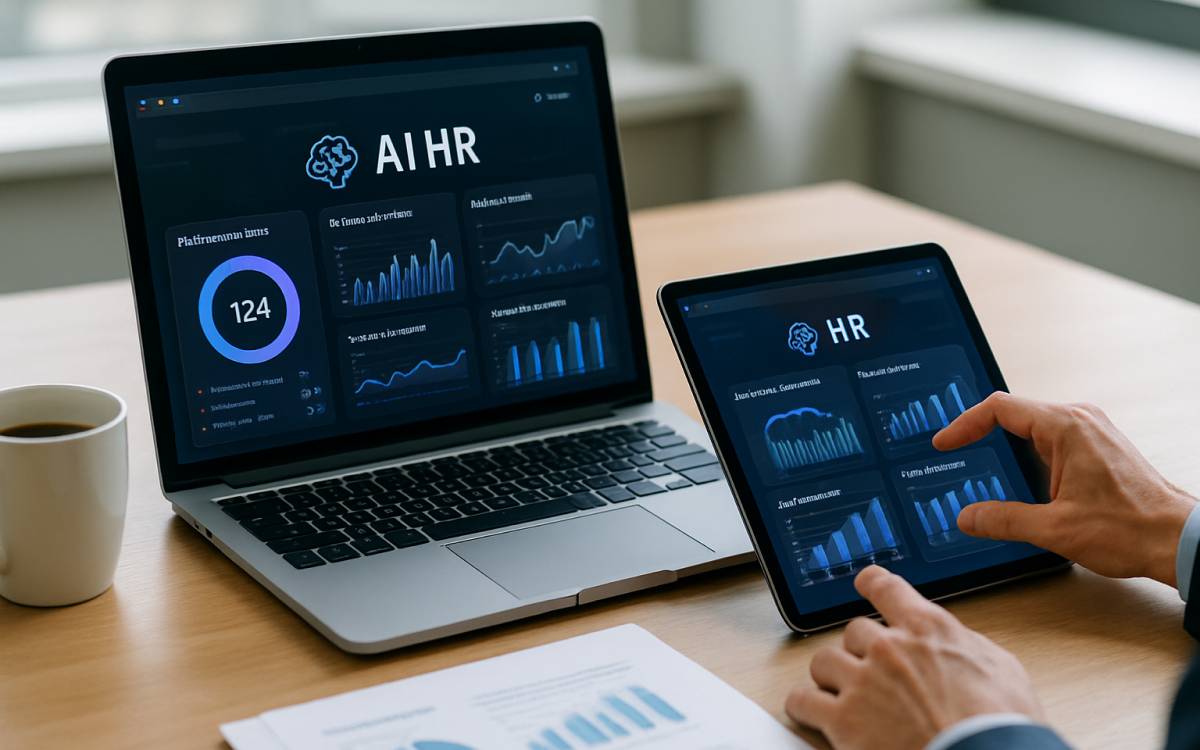
The hiring process has undergone a massive change over the last few years. Many organizations across the world have moved from using physical files to operating cloud-based recruiting platforms on computers. Some have even taken a step further by introducing AI recruiting systems in the workspace. This is the latest software with built-in AI that helps hiring managers with tasks like sourcing, screening, and communication, saving a lot of time.
What is an AI recruiter?
AI recruiters are digital tools that use automation and machine learning to help hiring managers with everyday processes, such as finding candidates, reviewing resumes, coordinating interviews, and sending follow-up messages. They also help organize information and automate repetitive tasks. However, unlike how it appears, AI recruitment solutions do not take over the entire hiring process. The final hiring decision remains in human hands.
Automated AI recruiters do not work as separate systems. Instead, they are connected to applicant tracking tools, calendars, email, and work chat apps that organizations already use. The AI hiring tools are designed to fit into the organization’s existing digital workflows, making recruiting more seamless and streamlined.
How do AI recruitment solutions help?
Workspace AI recruiting systems support numerous aspects of the hiring process, which helps the organization in several ways.
Smarter sourcing and talent discovery
AI recruiting tools scan job boards, internal databases, and professional profiles to find candidates who have the skills and experience that match open roles. The best AI recruiter platforms also help rediscover applicants from previous searches, creating a reusable pool of talent rather than starting over for every new position.
Faster screening and shortlisting
Many AI systems use resume parsing and scoring to compare candidate details with job requirements. They then create shortlists, which a human recruiter can quickly review. This helps manage large volumes of applications and filter out candidates who do not meet the required criteria.
Insights and reporting
The dashboards of most AI recruiting platforms track metrics, such as time-to-fill, a candidate’s performance on different sourcing channels, and how they have moved through stages. Using these reports, HR teams can refine job postings, adjust their outreach strategies, and improve interview processes.
Streamlined communication and scheduling
The top AI hiring assistant software can send status updates and reminders and reply to common candidate questions through email, text, or chat channels. They can also check meeting calendars, suggest available interview time slots, and update interview invitations.
Types of AI recruiter platforms and tools
AI recruiter tools for workspaces can be classified into different types. Each type differs based on how many stages of the hiring process it handles and how well it works with the other workspace applications already in use.
End-to-end AI recruiting platforms
Platforms like SmartRecruiters and Workable are end-to-end recruiting platforms. What this means is that they help with all the tasks involved in hiring. End-to-end platforms offer features, such as applicant tracking, candidate relationship management, sourcing, and analytics through a single system. Also, they have a single, well-organized dashboard to track the entire process and keep hiring data organized.
Sourcing and outreach tools
Tools like hireEZ, Gem, and SeekOut find potential candidates by scanning social networks, external databases, job boards, and existing talent pools using AI. They do this by analyzing keywords and the applicant’s skills and experience to suggest matches that may not appear in a standard search.
AI hiring assistants and chat-based tools
Tools like Paradox and HireVue are better for streamlining communication between the candidates and the hiring team. They screen questions, send automatic replies, and post status updates through chat or SMS. Some chat-based tools also guide candidates through basic application steps and record important information before a recruiter steps in.