Key things to know about solar power solutions
In recent years, more households have opted for greener energy sources, such as solar power. This trend has been driven mainly by the steady rise in energy bills and growing interest in cleaner living. Solar power makes it simple to run a home by installing panels that turn sunlight into electricity. Understanding how home solar energy systems work, their benefits, and installation options helps homeowners make informed decisions about their use.
What is a home solar energy system?
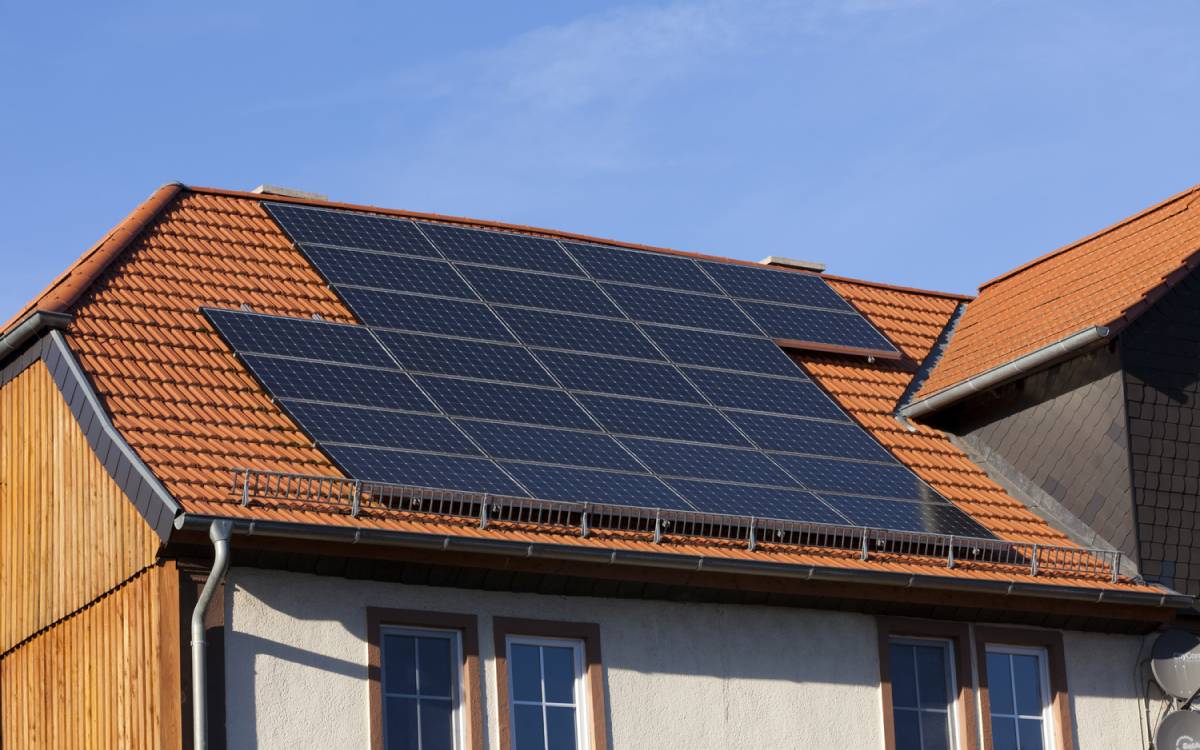
In a home solar energy system, panels are placed on the roof. These panels are made of special materials that react when sunlight hits them. This reaction creates an electric charge that flows to an inverter, where it is converted into the type of electricity household appliances use.
Most household systems that install solar panels are connected to the local utility grid. So, they still get a conventional electricity supply on the days when sunlight is low. This also means that any extra solar power can sometimes be sent back to the grid.
Some systems also include battery storage, which can store excess energy generated in the morning. This additional energy can be used in the evening or during outages. A few of the latest systems even have simple monitoring tools that connect with smartphone apps. This makes it possible to see how much energy the panels are producing and how the system is performing over time.
Benefits of home solar power systems
Better management of monthly energy costs
Solar energy panels are mostly popular because they reduce a household’s dependence on the local utility grid for electricity. This is especially true during sunny hours, when the panels actively produce power that can sometimes exceed demand, acting as backup power. Continuous use of solar panels over the years can result in significant savings on monthly energy bills, which can help offset a large portion of the initial installation cost. So, the system becomes a long-term home improvement initiative instead of an expensive addition.
Cleaner air and lower emissions
Solar energy generates electricity without any greenhouse gas emissions. As more households switch to solar power, demand for fossil-fuel-based electricity can decline over several years. Even with a few households making cleaner energy choices, it can help a community meet its renewable energy goals.
Increased convenience
Many households prefer pairing their solar panels with battery storage. This makes it more convenient to keep essential devices and circuits running on solar power when the main grid goes down. Another factor that makes solar energy systems convenient is their low maintenance. Most systems usually need only occasional checks and routine upkeep to ensure optimal functioning.
Better resale value
A well-designed solar system can easily boost a house’s resale value. But note that the actual increase in the value generally depends on the location and buyer preferences.
Key things to consider before installation
Roof and the overall property
Before installing any solar panels, the first step is to inspect the roof. Its age, overall condition, and material determine how the solar panels will be installed. This means that if the roof is old or damaged, it must be repaired or replaced before the panels go up. Shade from trees, chimneys, or nearby structures should be considered, as even minor partial shading during peak hours can decrease solar power production. Plus, the roof’s orientation and tilt play an important role. This is because panels generate more electricity when installed on surfaces that receive more sunlight during the day.
Energy use and goals
The next step is to assess the average monthly electricity use. This helps determine the size of the solar energy system required. Generally, a full year of utility bills helps to estimate how much solar energy a household will need. Some households usually want to offset only a part of their regular usage with solar energy. Meanwhile, others want to cover most of their annual electricity consumption. The goals often differ based on budget and how much a household wants to invest in alternative energy sources.