6 essential office furniture items for a productive workspace
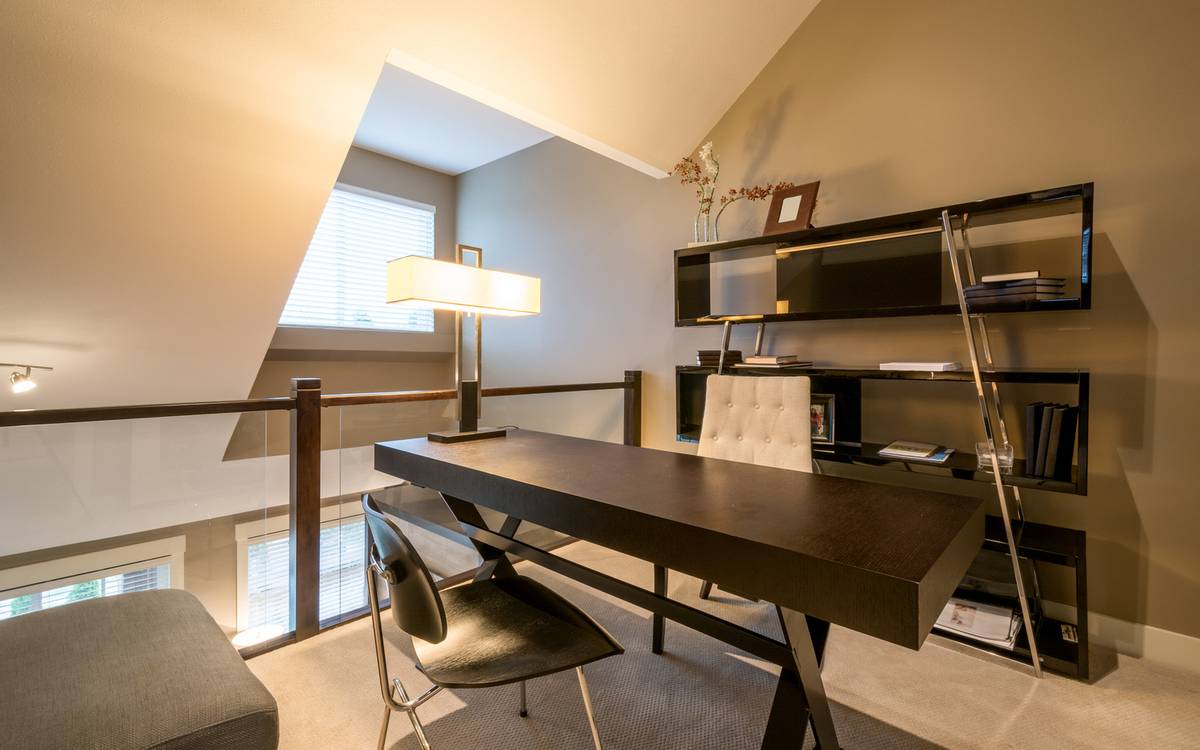
The furnishings of a workplace significantly contribute to its tone, mood, and functionality. Certain essential office furniture items help keep employees comfortable while they work. By creating a relaxed work environment, the right office furniture can directly enhance employee productivity, which in turn, benefits a business’s profitability. Must-have office furniture pieces, such as height-adjustable desks, ergonomic and adjustable chairs, and file cabinets, are essential not only for supporting physical wellness but also for promoting productivity.
Height-adjustable desks
As the name suggests, these desks feature an electric height-adjustment mechanism that raises or lowers the work desk with minimal effort. These types of desks allow workers to alternate between sitting and standing without disrupting their workflow throughout the day. This flexibility promotes better posture and helps reduce the health risks associated with prolonged sitting.
Additionally, physical discomfort often distracts workers, which in turn affects their productivity. This is why users can reduce distraction, fatigue, and boredom that come with working in the same position for 8 to 9 hours by using these desks at their workstations.
Ergonomic and adjustable chairs
A comfortable swivel chair is an essential ergonomic office furniture item that can be used in any workplace. These chairs promote good posture and reduce the risk of work-related sprains, dislocations, and injuries. Some key features of a comfortable and adjustable office chair are:
- Armrests
- Adjustable height
- Lumbar support
- Swivel and tilt mechanism
In addition to these features, it is important to consider and choose the right chair material (polyester, mesh, or leather) to ensure it aligns with employees’ comfort preferences.
Filing cabinets
Organizing paperwork, data, and licensing documents still remains an uphill task in offices. To simplify the process for everyone, installing filing cabinets ensures that important documents are stored securely and remain easily accessible. While choosing a cabinet, offices need to consider certain elements like:
- Size of cabinet – Depending on the volume of documentation stored, organizations should select a filing cabinet that meets their specific storage needs and fits well within the workplace, both aesthetically and practically.
- Material – Choosing a cabinet made of durable materials, such as metal or solid wood, can improve its longevity. Also, ensure that the material selected complements the other furniture in the office.
- Locking mechanism – A cabinet must have a secure locking mechanism to safeguard sensitive and confidential files. Common types of locks include key-operated cam or plunger locks, electronic keypads, or fingerprint-scanning systems.
Footrest
Employees may also experience foot discomfort when they remain in the same position for extended periods. To alleviate foot, neck, and back pain caused by slouching over a laptop or placing one’s body weight disproportionately on the feet throughout the day, installing footrests at each workstation can be beneficial. A quality footrest allows employees to alternate between resting their feet flat and elevating their legs slightly.
When selecting footrests, choose models with adjustable height, tilt, and angle settings to ensure proper alignment and support for the body. Other important considerations include sturdy, non-slip surfaces that keep the user’s feet firmly placed on the footrest. Additionally, a footrest should provide adequate cushioning for long-term comfort.
Whiteboard and corkboard
A whiteboard and corkboard are essential office tools for tracking tasks and deadlines. These boards are useful for jotting down important notes, to-do lists, or pinning inspirational quotes to keep all employees motivated. That said, these boards need to be maintained for their durability. This can be achieved using associated tools such as dry-erase markers, cleaning spray, microfiber cloth, and sturdy push pins.
Conference table
If an organization deals with multiple teams, a conference table is necessary to facilitate meetings, brainstorming sessions, and collaborative work. Moreso, these tables provide a professional setting for team discussions and client interactions while also improving the overall office aesthetic.
The key features of a modern conference table include cable management systems, USB/C data ports, and built-in power outlets. These tech-friendly additions make meetings more efficient by supporting device connectivity for presentations.