5 tips to start advertising online
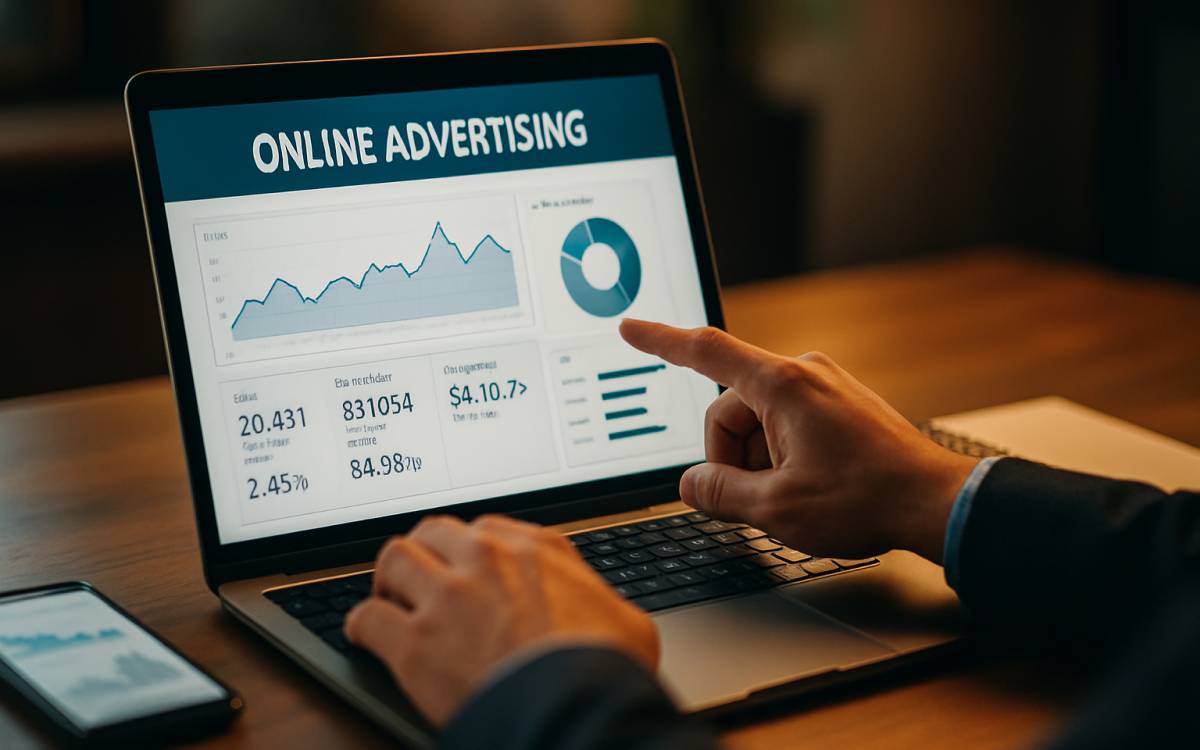
Digital advertising has become an important tool for growing any business today. With more people spending time online, ads on search engines, websites, and social media have, in a way, replaced billboards. With online advertising, brands have a better, faster way to reach their target audience. That said, with so many platforms, formats, and strategies to choose from, digital advertising can feel overwhelming for beginners. But with the right plan, it becomes easier to navigate.
Determine the goal of the ad campaign
A successful ad campaign, whether online or offline, starts with one very important thing: a clear goal. There is a reason why almost all beginner guides to online ads emphasize this step. Without a definite goal, an ad campaign would lack direction. The audience would not know what is being offered or what action they are expected to take.
In online advertising, the aim of a campaign can be one of three things: generate leads or sign-ups, build brand awareness, or drive sales or conversions. Each of these objectives requires a different approach, platform, and budget. So, setting a goal early helps avoid confusion and waste of money and resources.
Identify and understand the audience
The next step would be to identify the target audience. It is one of the most essential digital advertising tips to follow, because only after knowing the audience can one create a message that resonates with them and choose the right advertising platform.
To understand the target audience, one can start by evaluating demographic data, including key age groups, gender, income levels, and household needs. Then one can proceed to examine their behavior by looking at the data that shows where the audience spends time online, which platforms they use, and how they interact with content. This information helps ensure ads appear in the right places and speak to the right people.
Evaluate the budget and break-even ACOS
To prepare a budget for digital ads, one must account for multiple factors. First, one must determine their advertising medium. Video ads, for instance, may require spending on the entire production, including scripting, actors, editing, and more. Likewise, design-based ads require copywriting, graphics, and sometimes development work.
Distribution costs also vary by platform, especially on social media, where every platform has a different pricing model. Plus, the longer one wants to display their ad, the more they will be charged—just like billboards. One also has to remember that bidding systems still exist with digital ads. This means advertisers compete for ad space, and prices can rise depending on demand, competition, and audience targeting.
In addition to setting a budget, one needs to calculate the break-even ACOS (Advertising Cost of Sales). This is the maximum percentage of revenue one can spend on advertising without incurring a loss.
Identify top keywords
Keywords reveal what people are actively searching for on the internet. So, those in charge of advertising can conduct keyword research before each campaign to identify which terms drive conversions and which only generate clicks. They can then prioritize bidding on keywords with high conversion rates. For those keywords with high click volume but low conversion rates, lower bids can be set. This step plays a crucial role in devising online marketing strategies, as it can drive more targeted traffic, especially through search-based advertising.
Create a plan of action
A clear plan outlines which ad formats will be used and why. Based on their goals, audience, and budget, one can choose among options such as search ads, social media promotions, display ads, and video ads.
Search ads are ideal to target users who are actively looking for solutions. They work well for lead generation. Social media ads, on the other hand, help build connections and engagement with existing and potential customers.
Display ads improve visibility across websites. Video ads tell stories visually, while affiliate marketing relies on partners to promote products. They also work well for brand awareness among younger users. Many businesses also choose to run Facebook and Google ads together to balance reach and intent.